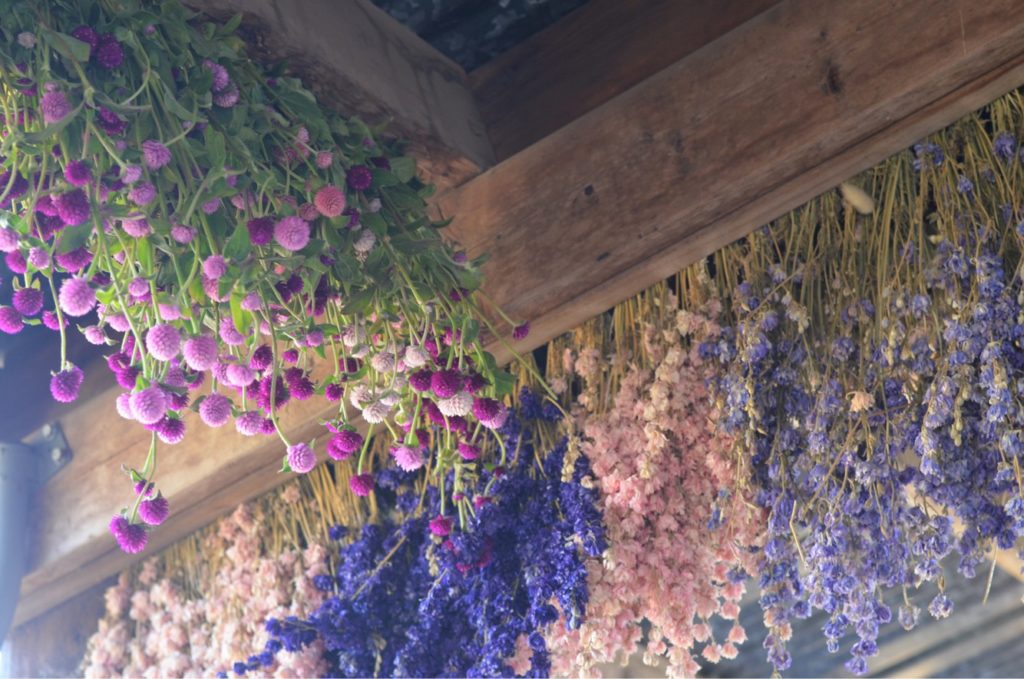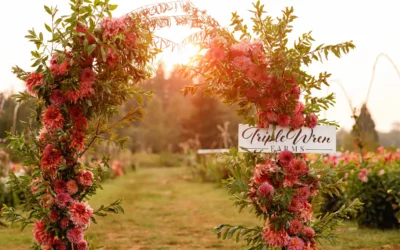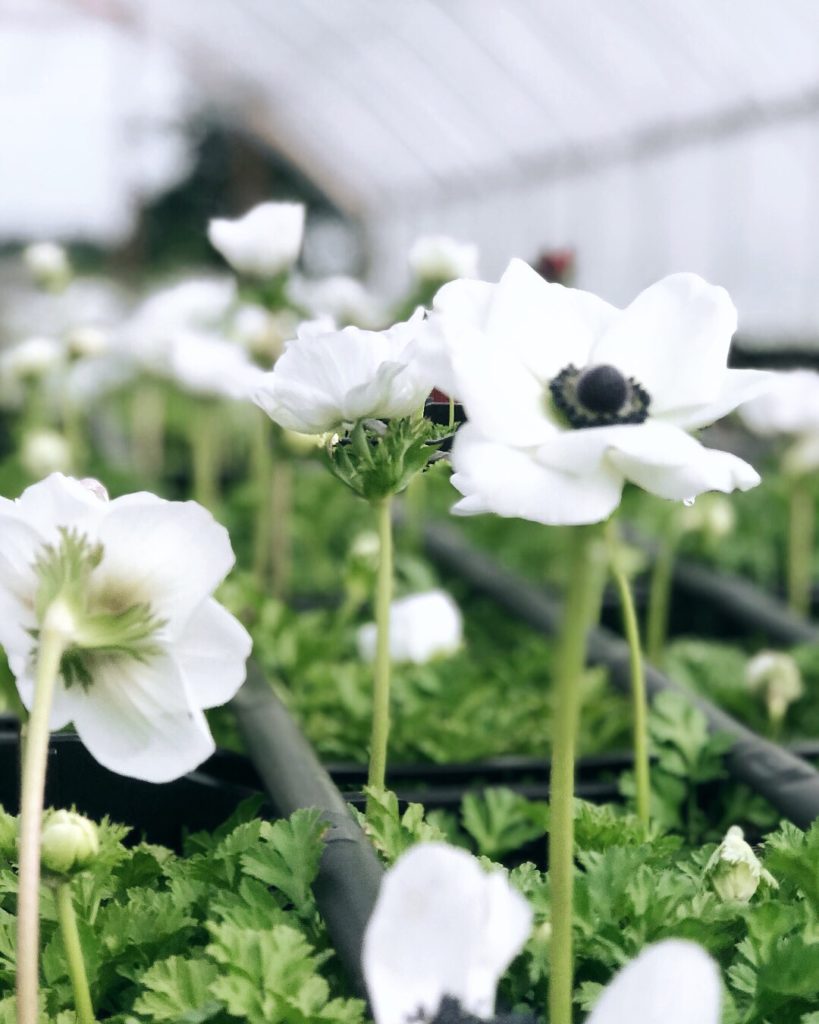
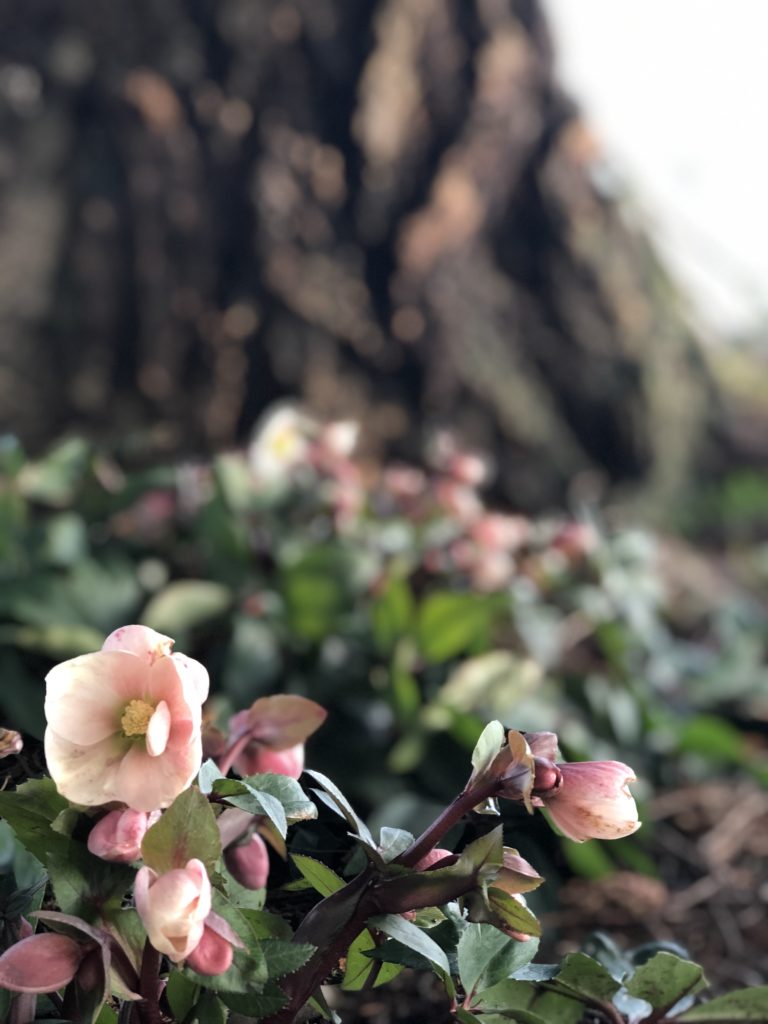
Probably the two most frequently asked questions we receive here at the farm are, “What kind of things do you grow at your farm?” and “But what do you do all winter?!”

Sometimes, it’s a little hard to explain. We grow over 100 kinds of flowers at our cut flower farm, but we grow over 125 varieties of dahlias alone, and we’re also a u-pick blueberry farm, a pumpkin patch, a wedding/event florist, and a fledgling retail plant nursery.

To be honest, we’re doing some serious soul searching over here trying to decide if and what we should cut, or if we should divide up the different parts of our operation. As fairly new business owners, these are common growth issues, and in many ways it’s exciting that we’re here trying to make these tough decisions. But that’s another conversation; every year, whether we expand or pare down different business “divisions,” we are continually refining what (and how much) we grow, as well as what weeks we plant what quantities. It’s like ciphering out an enormous puzzle every winter!

We’re constantly balancing growing for grocery bouquet production, growing flowers for specific wedding and event use, growing for retail plant sales, and producing quality summer and fall u-pick crops.


Our wholesale grocery bouquet crops have to be cut-and-come-again or faithfully succession-planted in a rainbow of options so that the bouquets don’t become boring to retail customers from week-to-week. We need interesting blooms with significant vase life so that we can compete in the market. Sunflowers, lilies, zinnias, queen Anne’s lace, stock, bells of Ireland, scabiosa, celosia, amaranthus, snapdragons, ball-form dahlias, statice, asters, and many more jewels come together in seasonal combinations when our planning is well done.
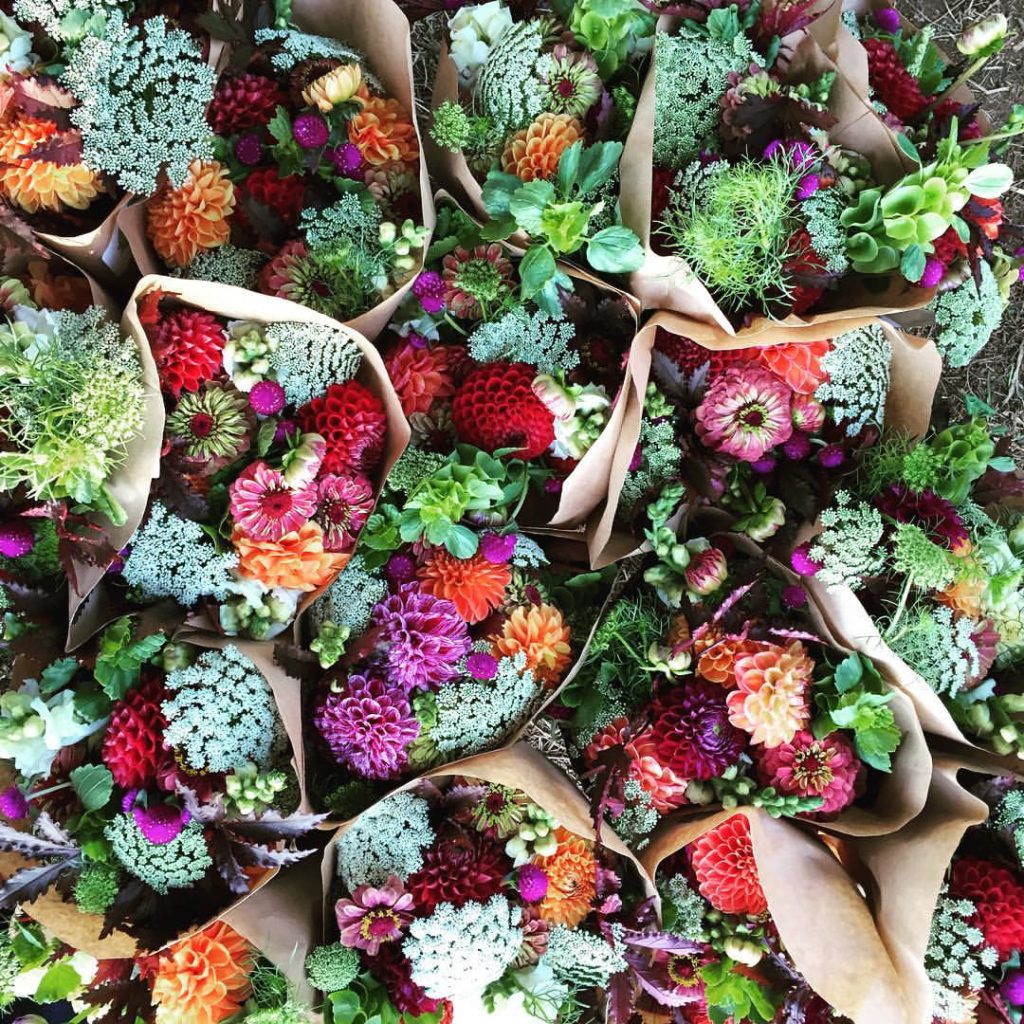
The focal blooms that sparkle in our event and wedding arrangements are some of the most fun to grow. Peonies, garden roses, and dahlias are some of our biggest players in this category, and we’re adding more of each of these every year. Despite annually expanding this category, we still don’t grow nearly enough and have to buy some in every summer for events, so we’re motivated to grow more!

We’re also constantly learning what we can about extending the season for each of these crops. Peonies frequently bloom only over the period of 3-4 weeks, so we successfully stretch that by dry-storing them for use many weeks later. We’ve been experimenting with “rotating” harvest on our garden rose plantings by pinching buds, feeding well, and allowing vegetative growth to flourish on half and alternatively cutting the other half on monthly rotations during the summer. There’s still a lot to refine, but we’re making progress with continual harvests on field grown roses. We ensure the longest season on our dahlia plantings by keeping them well-picked, well-watered, and well-fed.

This coming season we’re expanding our dahlia selection not just for cuts but specifically to add variety to our dahlia tuber offerings for home gardeners. We need to plan that now, in the winter, so that we can have the colors and forms we want to add growing strong all summer and harvest them for root sales next fall and winter.

Every year we trial a few new varieties to see if they’re a good fit to add in quantity to our plan. It’s so easy to grow too much, and while a bountiful garden is incredibly fun, we’ve learned over the years to discipline ourselves so we don’t end up with hours of labor lost weeding un-needed plants (or more likely an untended field full of beauty we don’t have demand for).

Managing a flower farm is demanding year-round, with different demands each season. Summer can be bone-wearying hard work, but it can’t happen smoothly without intentional planning ahead of time.